Chimney Liner Repair & Relining in Connecticut

- May suit you if
- A clay-tile flue with cracks, gaps or missing pieces found on inspection, a chimney that has had a chimney fire, pieces of tile in the firebox, or damp or smoke stains near the chimney.
- The assessment establishes
- Where the liner is damaged and how badly, whether a repair can make it sound again, and if not, what kind of new liner it needs.
- Next step
- Camera footage and a written scope and price. Nothing starts until you approve it.
How clay liners fail, and when they can be repaired
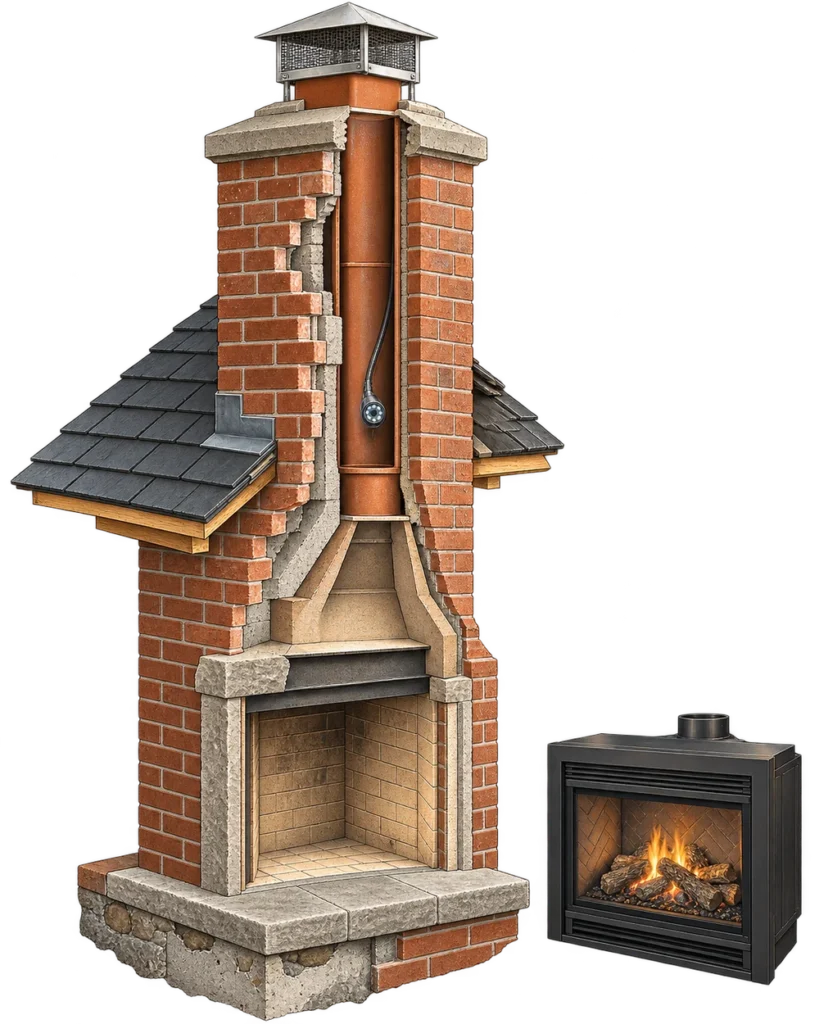
A clay tile liner is a stack of tiles joined with mortar, running up the inside of the chimney. The tiles crack from the heat of a chimney fire, from sudden temperature changes, from water freezing in the masonry, and from the chimney settling over the years. The mortar joints between them erode and open. Once there are gaps, heat, creosote and exhaust can reach the brick and the wood framing around the chimney.
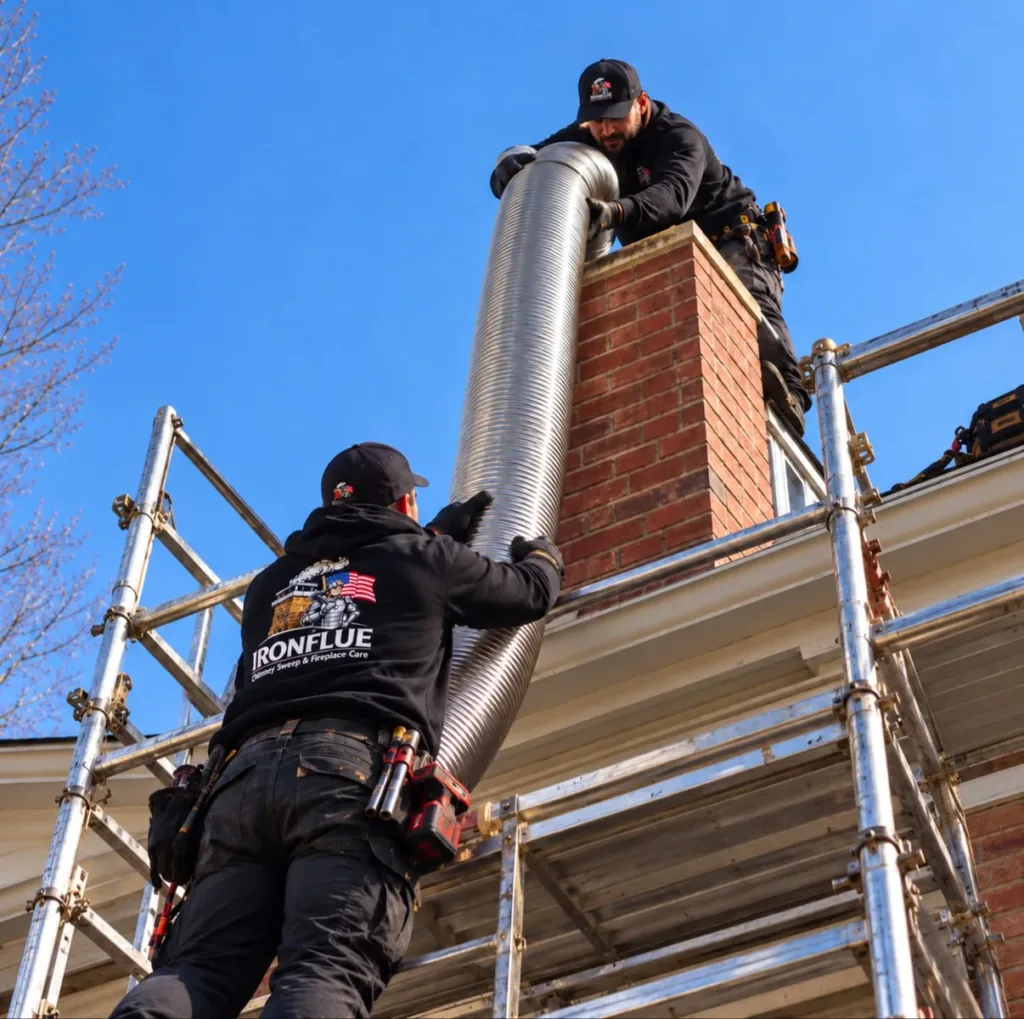
Not every damaged liner has to be replaced. Where the damage is limited to a few joints or tiles, it can sometimes be repaired with a heat-resistant system made for flue liners. Where cracks run the length of the flue, tiles are missing, or the liner doesn’t suit the appliance using it, the flue is relined, usually with a stainless steel liner run the full height of the chimney. The camera footage is what decides it.
Related guide: Do I need a chimney liner? Types, sizing and when to reline
Liner damage is found by cameraSigns the liner may be damaged

- 1Pieces of tile in the firebox
Shards or flakes of clay tile on the smoke shelf, the damper or the floor of the firebox.
- 2After a chimney fire
A chimney fire, even a small one nobody noticed, often cracks clay tiles. A loud roar or crackling from the chimney is a sign one happened.
- 3Smoke or smells in the house
Smoke or a smoky smell in rooms next to the chimney, or upstairs, when the fireplace is in use.
- 4Damp or stains near the chimney
Water stains or damp patches on walls or ceilings beside the chimney, which can come from a cracked flue as well as from outside.
- 5An inspection flagged it
A sweep, an inspection or a home inspector noted cracked tiles, gaps or a liner in poor condition.
Don’t use the fireplace or stove until a damaged liner has been assessed. Cracks and gaps can let heat reach the wood around the chimney and let exhaust, including carbon monoxide, into the house.
What liner repair and relining cover
Included
- A camera inspection of the full flue, with the footage shown to you
- Repairing limited damage to joints and tiles with a heat-resistant system made for flue liners
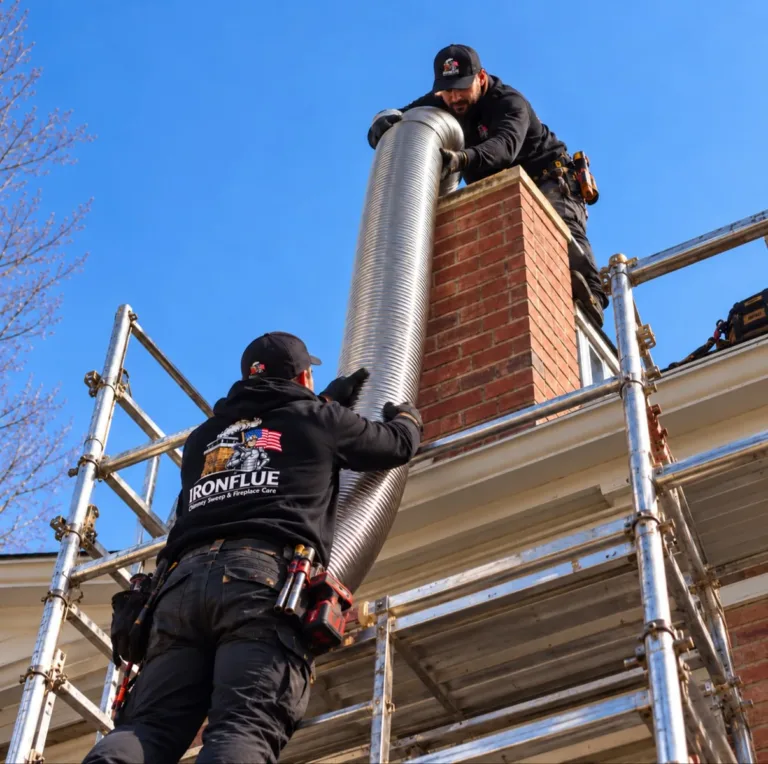
- Relining with a stainless steel liner where the damage is widespread
- Sizing the new liner to the appliance or fireplace it will serve
- A top plate and a cap at the top of the chimney when the flue is relined
- Protection of the room and the roof, and photos of the finished work
Quoted separately
- Sweeping, booked separately
- Breaking out old tiles to make room for a liner, quoted separately if needed
- Crown, flashing or masonry repairs found on the visit
- Repairs to walls, ceilings or framing damaged by heat or water
How the job goes
No fires for 24 hours beforehand. If an inspection already found damage, send us the report or photos.
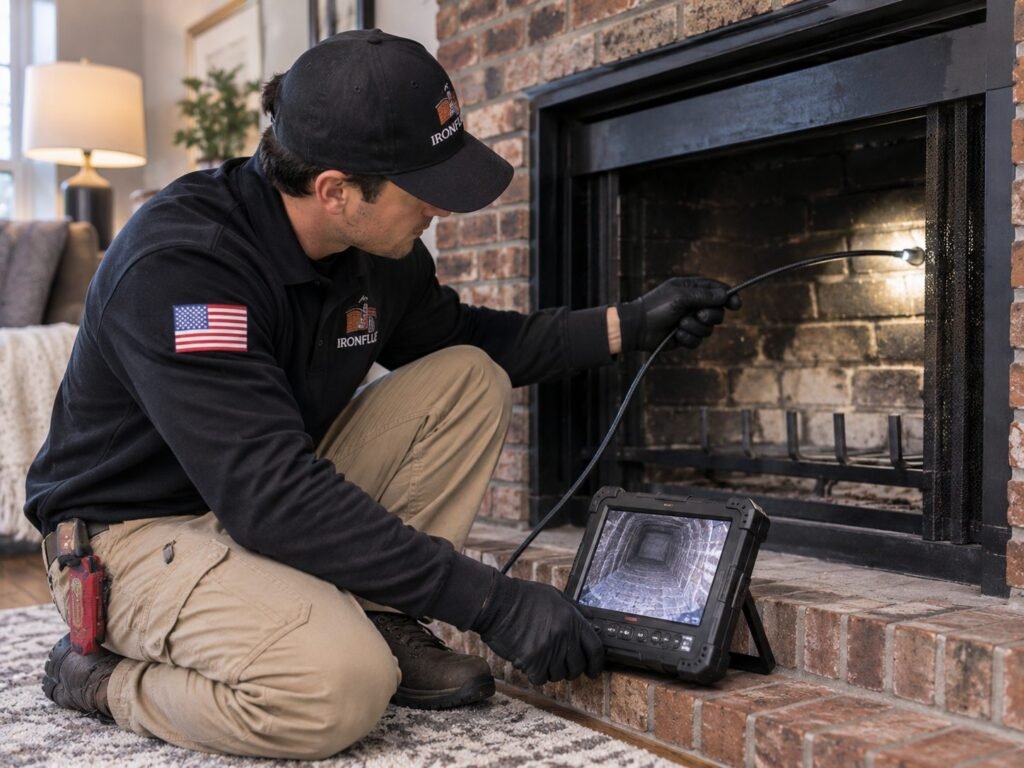
We run a camera through the full flue, show you the footage, and explain where the damage is and how serious it is.
You get a written scope and price for a repair or a relining, with the footage that shows why. Once approved, the work is booked.
How the fix is chosen
- Repair the joints and tiles
A few open joints or cracked tiles in an otherwise sound liner are repaired with a heat-resistant system made for flue liners.
- Reline with stainless steel
Cracks run the length of the flue, tiles are missing, or the liner doesn’t suit the appliance. A new stainless liner is run the full height.
- Reline for a new appliance
The tiles may be sound, but the flue is the wrong size for a new stove, insert or furnace. It is relined to suit the appliance.
Real work, shown honestly
Average from 81 Google reviews
- Licensed & insured
- 15 years of hands-on work
- National Chimney Sweep Guild member
Liner repair and relining across Connecticut
We repair and reline chimney flues in Fairfield, New Haven, Hartford, Middlesex, New London, Litchfield, Tolland and Windham counties. Many Connecticut chimneys still have clay tile liners that are decades old, and years of freeze-thaw cycles are one of the main reasons they crack.
Town pages with local detail: Ansonia, Bridgeport, North Haven, Sherman, Watertown and Wilton.
See your service area for local details.
What sets the price
What the camera shows
How much of the liner is damaged decides whether it is repaired or relined.
Height and size of the flue
A taller chimney or a larger flue means more material for either a repair or a relining.
Tile removal
If old tiles leave too little room for a new liner, they have to be broken out first.
Roof access
Steep roofs and tall chimneys take more staging to work from the top.
How the quote works
The camera inspection comes first. You then get a written scope and price for the repair or the relining, with the footage that shows why, and anything else listed separately.
The price we quote is the price you pay.
Financing is available
Larger projects such as liners, rebuilds and major repairs can be financed. Ask when you request service and we’ll walk you through the options for your project.
About liner repair and relining
Sun–Thu 8am–8pm · Fri 8am–4pm · Sat closed
What causes clay chimney liners to crack?
The most common causes are chimney fires, sudden temperature changes, water freezing in the masonry, and the chimney settling over time. Age plays a part too: many Connecticut chimneys have clay liners that are decades old.
Can a cracked liner be repaired instead of replaced?
Sometimes. If the damage is limited to a few joints or tiles in an otherwise sound liner, a heat-resistant repair system made for flue liners can restore it. If cracks run the length of the flue or tiles are missing, relining is the reliable fix.
How do you find damage in a chimney liner?
With a camera run through the full length of the flue, as part of a Level 2 inspection. Most liner damage can’t be seen from the fireplace or from the top of the chimney with a light, so the camera is what shows where it is and how bad.
What does relining a chimney mean?
Installing a new liner inside the existing flue, usually a stainless steel liner run from the appliance or fireplace to the top of the chimney. The old clay tiles stay in place unless they have to be removed to make room.
Will a chimney fire always damage the liner?
Not always, but often. Clay tiles can crack from the heat even when the fire burns out on its own, which is why a Level 2 inspection is recommended before the fireplace is used again after a chimney fire.
Is liner damage dangerous if I only use the fireplace occasionally?
Yes. Even an occasional fire can send heat or sparks through a crack to the wood around the chimney, and a furnace or water heater using the same flue sends exhaust through it every day. It’s worth fixing before the next use.
Other liner work, and what often goes with it

Chimney Liners
Stainless liners, liner repair and relining, and liners for furnaces and water heaters, and how to tell them apart.
See chimney liners →
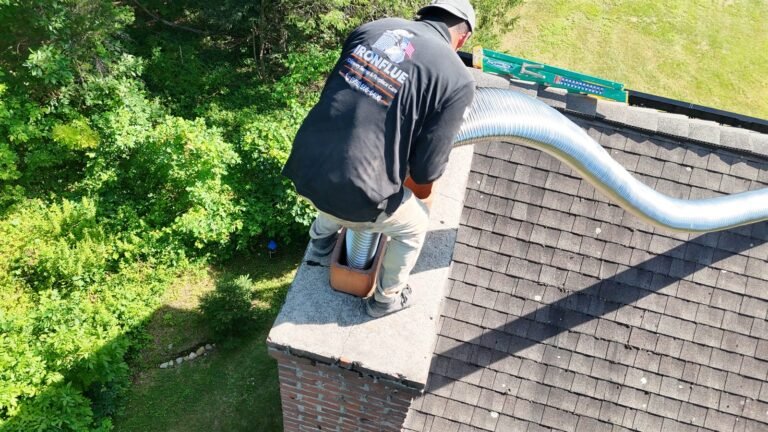
Stainless Steel Liners
How a stainless liner is sized, chosen and installed when the flue is relined.
Stainless steel liners →
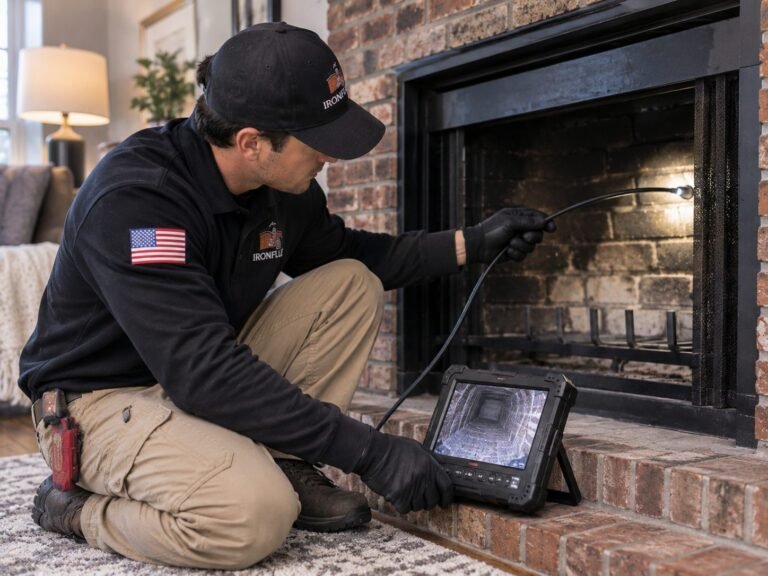
Level 2 Camera Inspection
A camera through every flue, and a look at the attic and basement around the chimney.
Level 2 inspection →
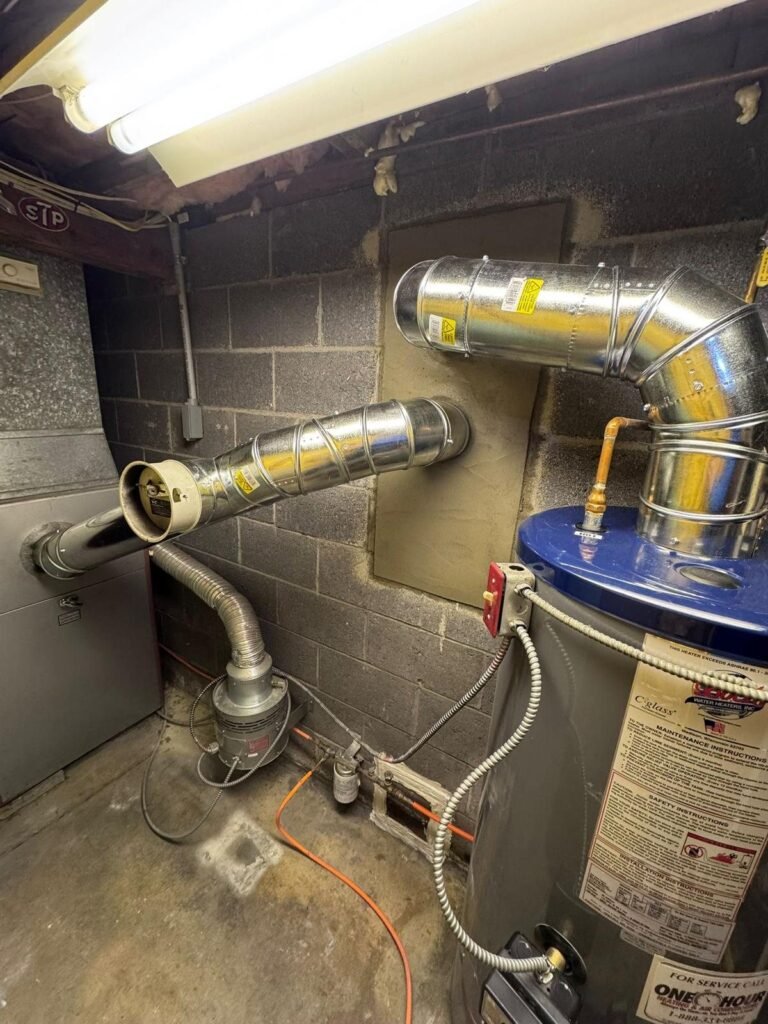
Furnace & Water Heater Liners
A liner sized for a furnace, boiler or water heater, often needed after a new high-efficiency furnace.
See furnace & water heater liners →Request a liner repair visit
Sun–Thu 8am–8pm · Fri 8am–4pm · Sat closed
- 1We call you back to talk through what you’re seeing.
- 2Together we set a visit time that works for you.
- 3On site we look, photograph and explain before anything is quoted.
No obligation. We never share your details.