Serving homes & businesses across Connecticut
Sun–Thu 8am–8pm · Fri 8am–4pm
Chimney Rebuilding

Full Chimney Rebuild in Connecticut

When a chimney leans, pulls away from the house, or is unsound from top to bottom, repairs and partial rebuilds can’t make it safe. A full rebuild takes it down to a solid base and builds it again, with a liner, crown, flashing and cap made for the appliance it will serve. We assess it first and explain why a full rebuild is needed before quoting one.
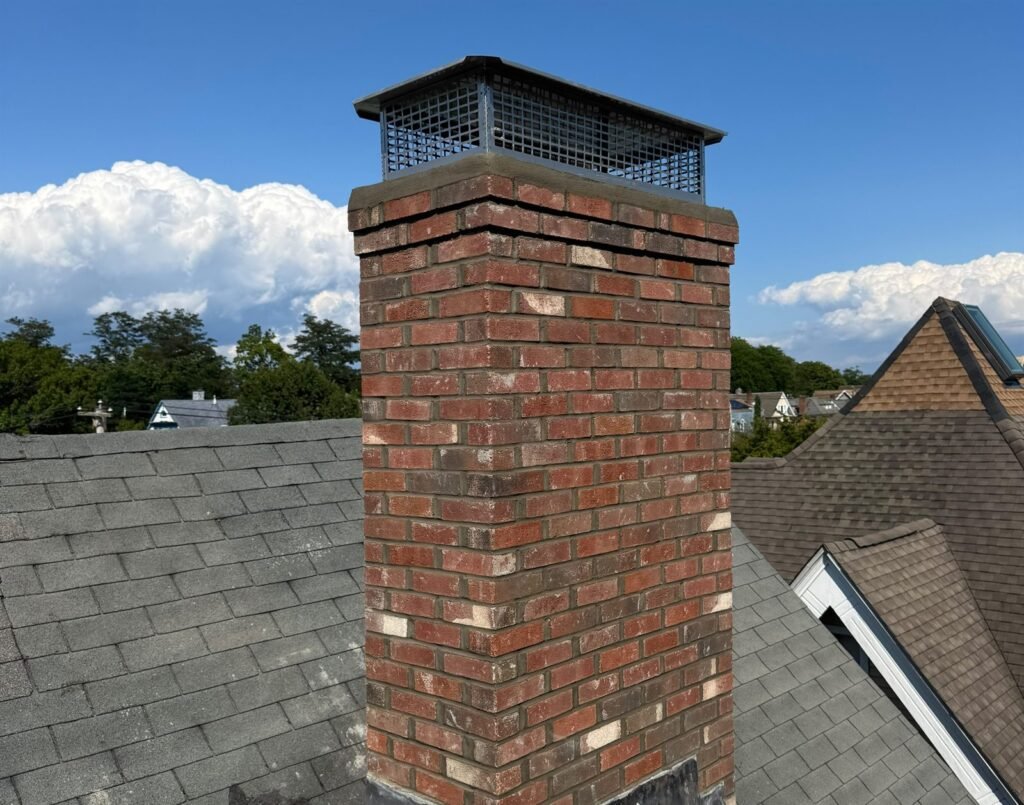
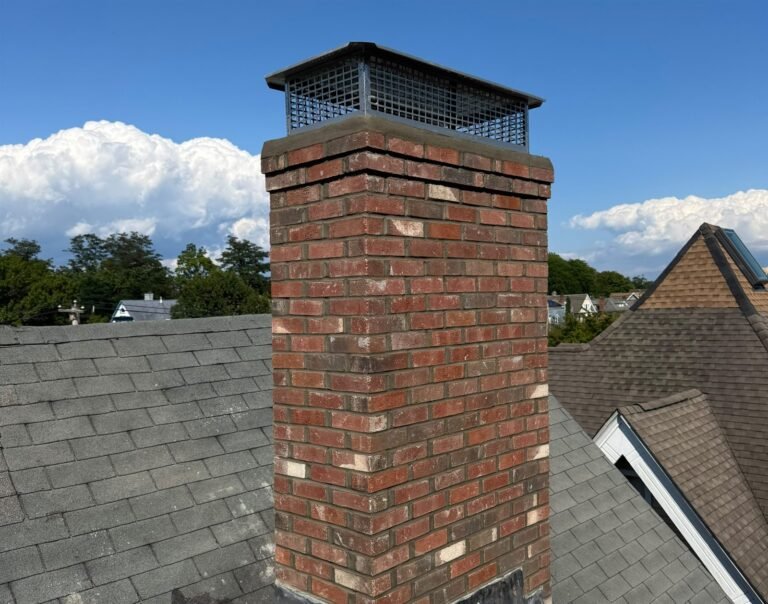
Rebuilt red brick chimney with a concrete crown and a stainless steel cap
May suit you if
A chimney that leans or is separating from the house, has settled or cracked through its height, has widespread loose and spalled brick, or was badly damaged by a storm, a fallen tree or a chimney fire.
The assessment establishes
Whether the chimney can be saved in part or has to come down, what its base is like, and what the rebuilt chimney needs to serve your fireplace, stove or furnace.
Next step
An assessment with photos, then a written scope, price and schedule, including any permit. Nothing starts until you approve it.
The basics

When a chimney needs to be rebuilt from the base

A masonry chimney is a heavy, tall structure that stands on its own base. If that base settles, if water has worn away the mortar through much of its height, or if a storm or a fallen tree has knocked it out of line, the chimney can lean, crack through, or pull away from the house. At that point the masonry can’t be held together by repointing or by rebuilding the top: it has lost the support or the strength it was built with.

A full rebuild takes the chimney down to a solid base and rebuilds it as a whole. That is also the chance to build it for what it will serve today: the right flue size for the fireplace, stove or furnace, a liner, the clearances to the house framing, and a new crown, flashing and cap. Rebuilding a chimney generally needs a building permit from your town, and the requirements are confirmed before work starts.

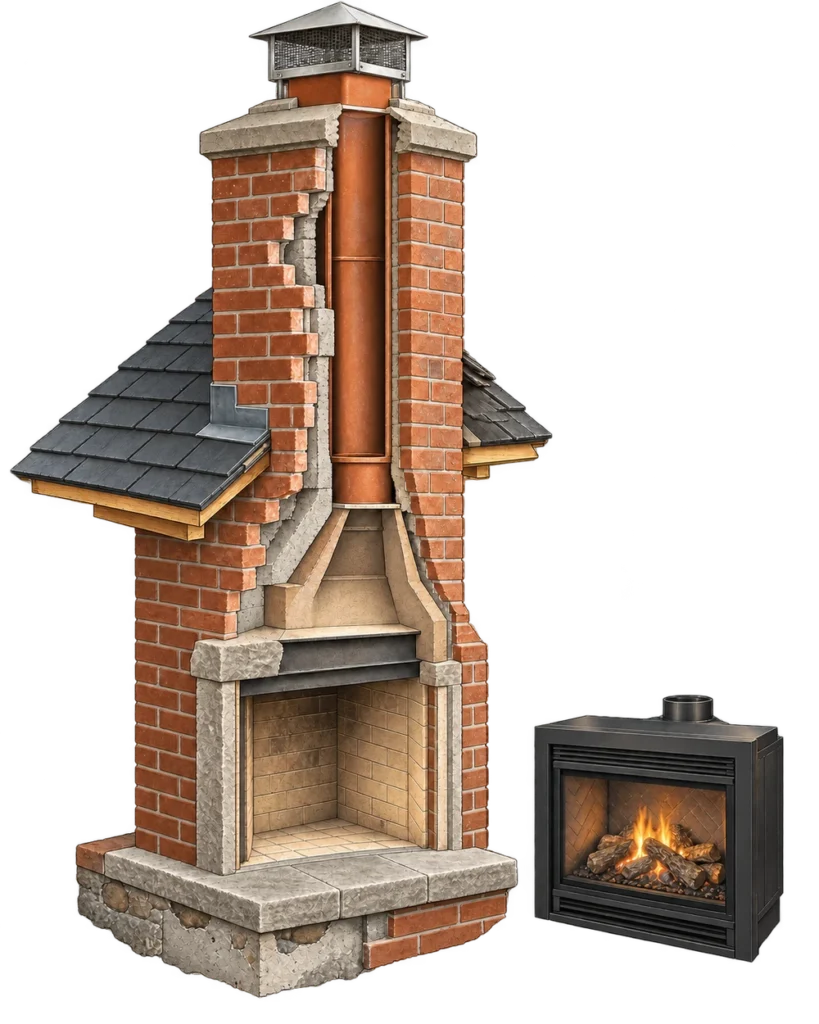
Cutaway illustration of a brick chimney showing its cap, crown, masonry, flue liner, smoke chamber and fireplace, with a separate gas fireplace insert alongsideA full rebuild starts from a solid base
Cutaway illustration of a chimney from the fireplace to the cap, not a completed IronFlue Chimney job.
Signs worth a look

Signs a chimney may need a full rebuild

Any of these is a reason to have the chimney assessed soon, and to stay clear of it until then.
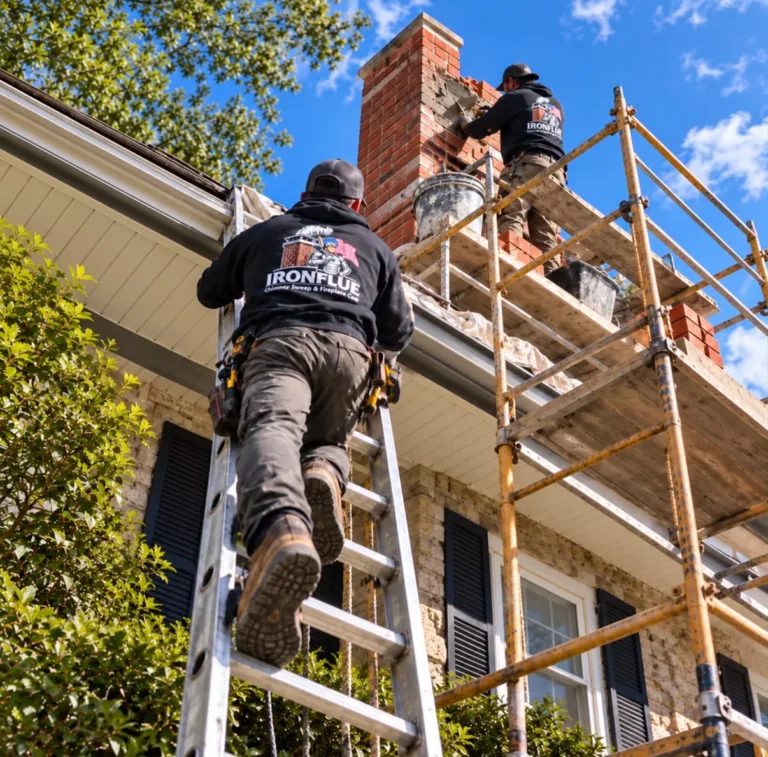
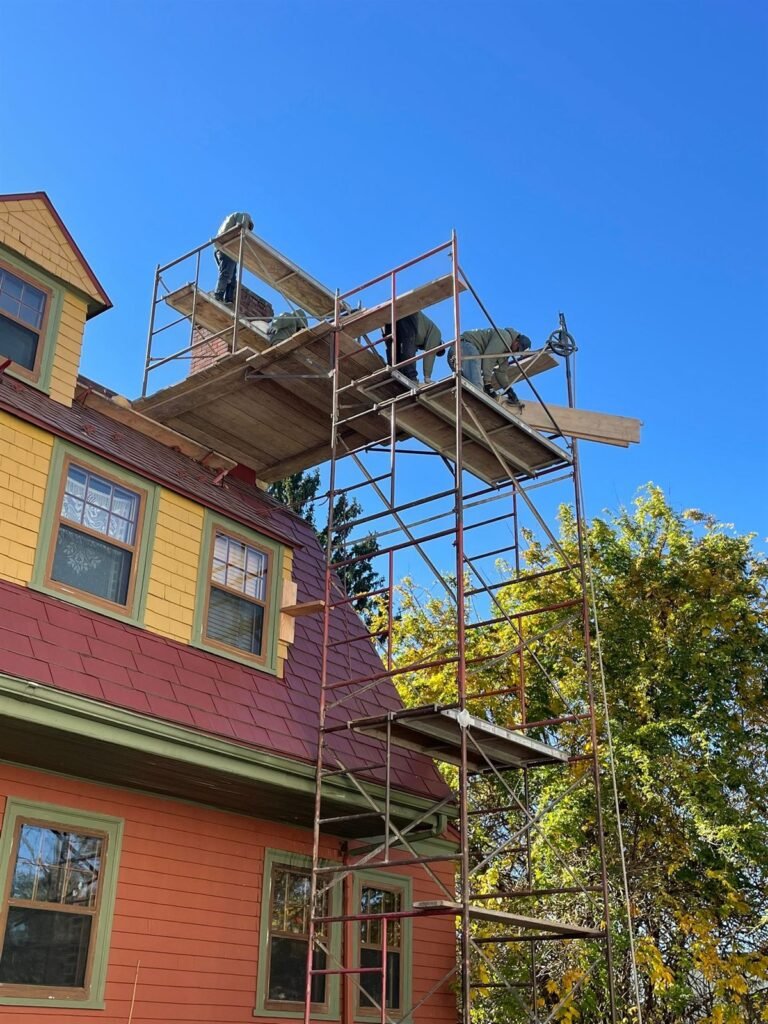
IronFlue Chimney crew working from scaffolding during a chimney rebuild
  1. The chimney leans

    It is visibly out of plumb, or leans more than it used to, from the ground or from the roof.

  2. A gap opening at the house

    A gap between the chimney and the siding or the roof that has appeared or grown over time.

  3. Cracks running through the height

    Long cracks through brick and mortar, running up the chimney, not just at the top.

  4. Damage from top to bottom

    Loose, spalled or missing brick and washed-out mortar along most of the chimney, not only above the roof.

  5. A major storm, tree or fire

    A tree fall, a lightning strike or a severe chimney fire that may have damaged the chimney all the way down.

A leaning chimney can fall. Keep people, pets and cars clear of the area below it, don’t use the fireplace, and have it assessed as soon as possible.
What’s included

What a full rebuild covers

The written scope lists both columns for your chimney, so nothing is assumed.

Included

  • Assessment of the chimney, its base and where it meets the house, with photos
  • Taking the chimney down safely, with debris removed from the site
  • Rebuilding from a sound base with brick and mortar matched to the house as closely as possible
  • A flue and liner sized for the appliance the chimney will serve
  • A new crown, new flashing where the chimney meets the roof, and a cap
  • Protection of the house and the grounds, cleanup, and photos of the finished chimney

Quoted separately

  • Repairs to the foundation or footing, if the assessment shows they are needed, quoted separately or by others
  • Repairs to the house framing, siding, roofing or interior beyond the chimney itself
  • The fireplace, stove or furnace, and their connections
  • An engineer’s report, where your town or the condition of the chimney calls for one
Options and process

How the job goes

A full rebuild is a project, not a visit, so it starts with an assessment and a written plan.
Before the visit
Keep clear of the chimney

Don’t use the fireplace, keep people and cars away from below the chimney, and send photos of the lean, gap or damage if you can.

Safety first
During the visit
Assess the whole chimney

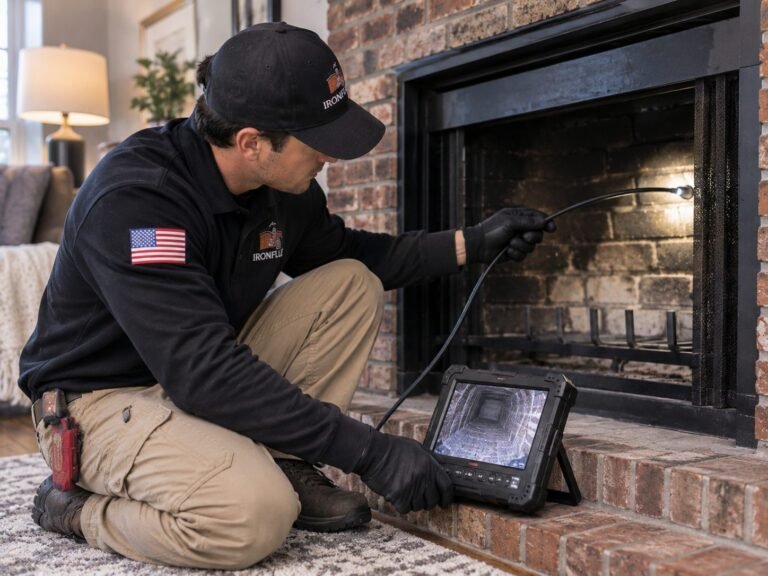
We check the chimney from the roof and the ground, its base and where it meets the house, and photograph and measure it.

Photos
After the visit
Scope, permit and schedule

You get a written scope, price and schedule, with the permit and any engineer’s input your town requires. Once approved, the work is booked.

Written plan

How the approach is chosen

  • A partial rebuild

    If the damage stops at a sound section, the chimney is rebuilt only from there up, which is quicker and costs less.

  • A full rebuild

    If the chimney leans, has settled, or is unsound throughout, it is taken down to a solid base and rebuilt as a whole.

  • Remove instead of rebuild

    If the chimney is no longer used, taking it down and closing the roof and walls may make more sense. We discuss it if it applies.

Evidence

Real work, shown honestly

5.0
★★★★★

Average from 81 Google reviews

  • Licensed & insured
  • 15 years of hands-on work
  • National Chimney Sweep Guild member
Read all reviews on Google

Full chimney rebuilds across Connecticut

We rebuild chimneys in Fairfield, New Haven, Hartford, Middlesex, New London, Litchfield, Tolland and Windham counties. Rebuilding a chimney generally needs a building permit from your town, so tell us the address early and we’ll confirm what applies there.

See your service area for local details.

Cost

What sets the price

We don’t publish a flat price for a full rebuild, because every chimney is different. These four things move the quote.

Height and size

A taller or wider chimney, or one with several flues, means more brick and more labor.

Brick and finish

Matching older brick, stone or a decorative top takes more care and material.

Access and staging

Roof pitch, chimney height and how close it is to trees or other buildings decide the scaffolding.

Liner, permit and base

The liner, the town’s permit, and any work the base needs are listed line by line.

How the quote works

The assessment comes first. You then get a written scope, price and schedule, with the liner, the permit and anything the base needs listed separately, so you know what each part costs.

The price we quote is the price you pay.

Questions about a quote?
(959) 666-6406

Sun–Thu 8am–8pm · Fri 8am–4pm · Sat closed

Financing

Financing is available

Larger projects such as liners, rebuilds and major repairs can be financed. Ask when you request service and we’ll walk you through the options for your project.

Questions

About full chimney rebuilds

What people ask before a full rebuild.

Sun–Thu 8am–8pm · Fri 8am–4pm · Sat closed

Why do chimneys lean?

Usually because the base has settled, or because water has worn away the mortar through much of the chimney’s height. Storm damage, a fallen tree or poor original construction can also cause it. Whatever the cause, a leaning chimney has lost support and should be assessed soon.

Can a leaning chimney be straightened?

Generally not reliably. Once a masonry chimney has moved out of line, the mortar joints have opened and the structure has lost its strength. Rebuilding it from a solid base is the way to make it sound again.

Does a full rebuild include a new liner?

Yes. A rebuilt chimney needs a flue liner sized for the appliance it will serve, and the scope says what kind. Rebuilding is also the right time to make sure the flue suits a new stove, insert or furnace.

Do I need a permit and an inspection?

Rebuilding a chimney generally needs a building permit from your town, and many towns inspect the work. Requirements vary, so we confirm what applies to your address and include it in the written scope.

Can I stay in the house during a rebuild?

Usually, yes. Most of the work is done from outside, and the fireplace opening is closed off while the chimney is being rebuilt. You won’t be able to use the fireplace or any appliance on that chimney until the work is finished.

What if I don’t use the chimney anymore?

If no fireplace or appliance needs it, taking the chimney down and closing the roof and walls may make more sense than rebuilding it. We discuss the options during the assessment.

Request service

Request a rebuild assessment

Tell us what you’ve seen: a lean, a gap at the house, cracks through the chimney or storm damage. Photos from the ground and the roof help. If bricks are falling, keep the area below clear and tell us when you call.

Sun–Thu 8am–8pm · Fri 8am–4pm · Sat closed

After you send it
  1. 1We call you back to talk through what you’re seeing.
  2. 2Together we set a visit time that works for you.
  3. 3On site we look, photograph and explain before anything is quoted.

Sending a request doesn’t book an appointment. We’ll call you back to talk it through and confirm a time.

No obligation. We never share your details.