Wood-Burning Fireplace Repair in Connecticut

- May suit you if
- A wood-burning fireplace with cracked or loose firebrick, open joints in the firebox, cracked refractory panels, a cracked hearth, or doors and screens that no longer fit or close.
- The assessment establishes
- What is damaged in the firebox and the hearth, whether heat can reach the framing around the fireplace, and whether repair or a rebuilt lining makes sense.
- Next step
- A visit with photos, then a written scope and price. Nothing starts until you approve it.
Two kinds of fireplace, repaired in different ways
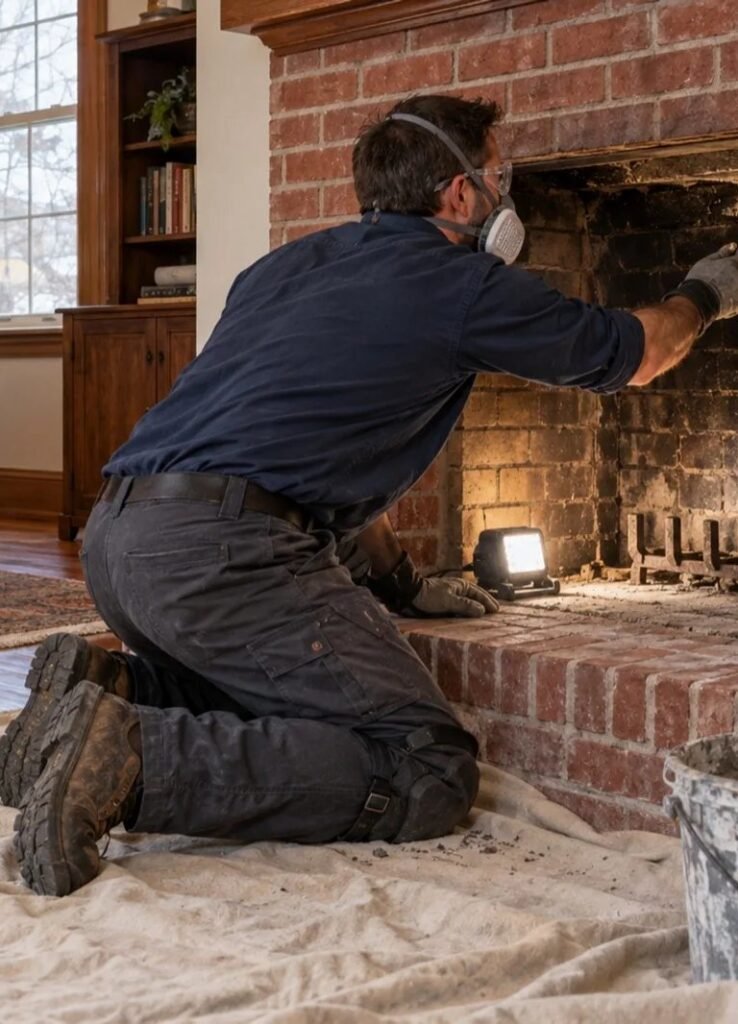
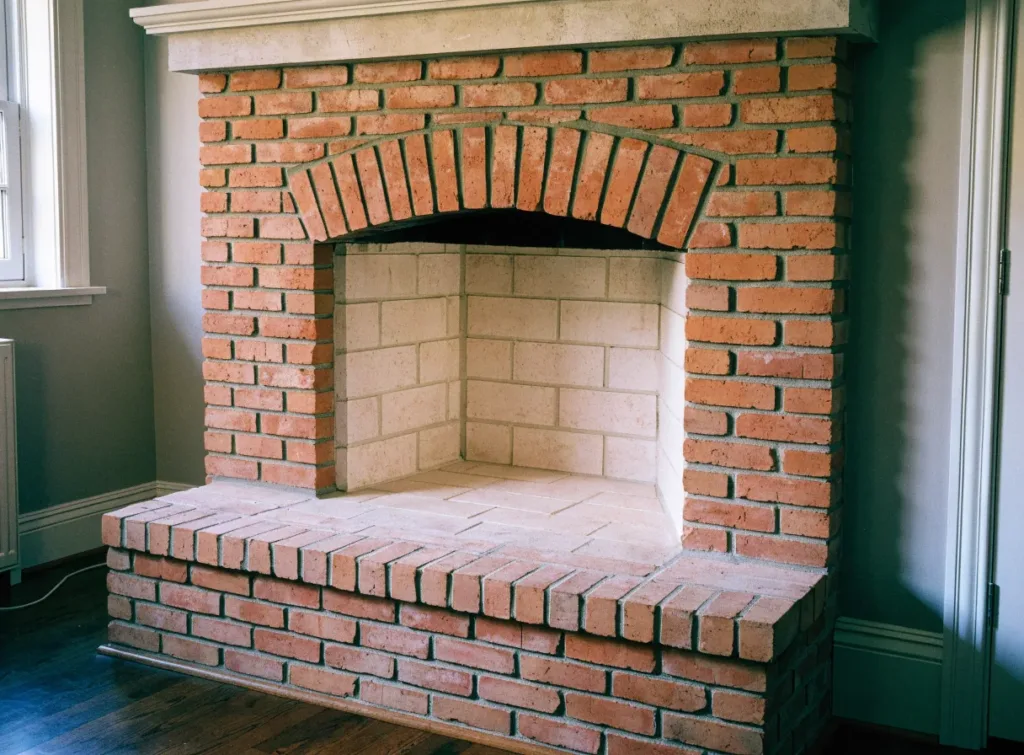
A masonry fireplace is built on site from brick or stone. Its firebox, the part that holds the fire, is lined with firebrick laid in refractory mortar, both made to stand up to heat that would break down ordinary brick and mortar. Over years of fires, firebrick cracks and spalls, and the joints between the bricks erode and open. Once there are gaps, heat can reach the masonry behind the lining and, in the worst cases, the wood framing around it. Repointing the joints or replacing the damaged firebrick closes those gaps.
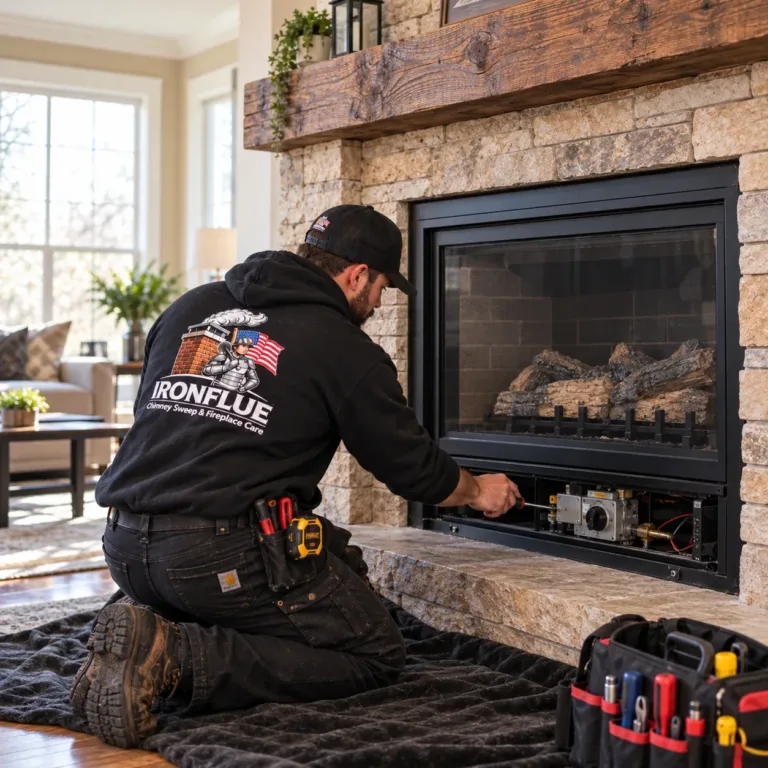
A factory-built fireplace is a metal unit, tested and listed as a system and set into a wood-framed chase or wall. Its firebox is lined with refractory panels instead of brick. When the panels crack or crumble, they are replaced with panels made for that model, because masonry repair materials aren’t part of how the unit was tested. In front of both kinds, the hearth is a non-combustible floor that keeps embers and heat off the floor, so cracks in it, or a gap where it meets the firebox, matter too.
Related guide: Why does my fireplace smoke? Causes and fixes, in order
Firebrick lining a masonry fireboxWhen fireplace repair may be needed

- 1Cracked or loose firebrick
Cracks that run through the brick, bricks that move when you touch them, or pieces of brick in the ash.
- 2Open or missing mortar joints
Gaps between the firebricks where the mortar has eroded or fallen out, often at the back wall where the fire is hottest.
- 3Cracked panels in a factory-built unit
Cracks, crumbling or missing pieces in the refractory panels that line a metal fireplace.
- 4A cracked hearth or a gap at the firebox
Cracks across the hearth, or a gap opening up where the hearth meets the fireplace, which can let embers reach the floor below.
- 5Smoke in the room
Smoke spilling out of the opening, which can come from the firebox, the damper, the smoke chamber or the flue.
Fine surface cracks in firebrick are common and often not a problem. Cracks that open joints, loosen bricks or let you see what is behind the lining are, so it’s worth stopping fires until the firebox has been looked at.
What fireplace repair covers
Included
- Assessment of the firebox, the hearth and the opening, with photos
- Raking out eroded joints and repointing them with refractory mortar
- Replacing cracked or loose firebrick, or relining the firebox where the damage is widespread
- Replacing refractory panels in a factory-built fireplace with panels made for that model
- Repairing cracks in the hearth and closing the gap between the hearth and the firebox
- Replacing fireplace glass doors
- Protection of the room while we work, cleanup, and photos of the finished repair
Quoted separately
- Smoke chamber parging, quoted separately if needed
- Damper repair or replacement, and chimney caps
- Flue liner repair or relining
- Chimney masonry above the roof, crowns and flashing
- Installing an insert, or converting the fireplace to gas
How the visit goes
No fires for 24 hours beforehand, so the firebox can be cleaned and checked safely. Clear a path to the hearth.
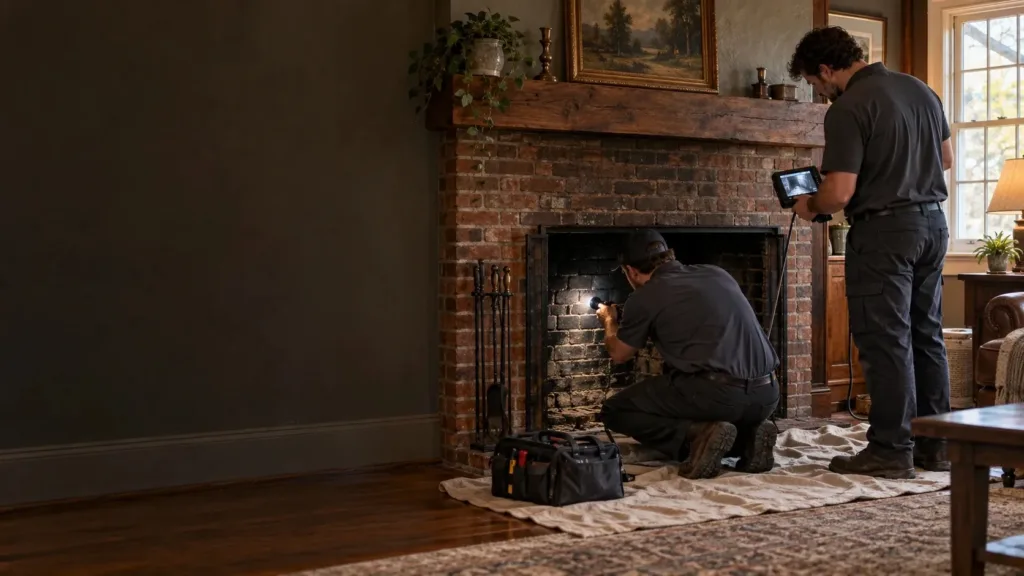
We protect the room, clean the firebox enough to see the brick or the panels, check the hearth and the opening, and talk you through the photos.
You get a written scope and price, and when the fireplace can be used again after the repair. Once approved, the work is booked.
How the approach is chosen
- Repoint the joints
The firebrick is sound but the joints have opened. The old mortar is raked out and the joints are refilled with refractory mortar.
- Replace firebrick or reline
Some bricks are cracked through or loose. They are cut out and replaced, and where most of the lining is damaged, the firebox is relined.
- Replace the panels
In a factory-built fireplace, cracked or crumbling refractory panels are replaced with the panels made for that model.
Real work, shown honestly
Average from 81 Google reviews
- Licensed & insured
- 15 years of hands-on work
- National Chimney Sweep Guild member
Fireplace repair across Connecticut
We repair wood-burning fireplaces in Fairfield, New Haven, Hartford, Middlesex, New London, Litchfield, Tolland and Windham counties. Fireboxes are best repaired in spring or summer, so the mortar has time to cure and the fireplace is ready before the first cold night.
For the houses and weather in your town, see Bethlehem, Marlborough, New Canaan, Orange, West Hartford and Woodbridge.
See your service area for local details.
What sets the price
How much is damaged
A few joints or bricks is a small repair. A lining that is cracked throughout is relined.
Masonry or factory-built
Firebrick work is quoted by the area. Refractory panels depend on the model and whether its parts are still made.
Size of the fireplace
A larger opening has more firebox and hearth to repair.
Cleaning first
A firebox with heavy soot has to be cleaned before it can be repaired, and a sweep is often booked alongside.
How the quote works
The assessment comes first. You then get a written scope and price for the firebox and hearth, with any damper, smoke chamber or liner work listed separately, so you can decide piece by piece.
The price we quote is the price you pay.
Financing is available
Larger projects such as liners, rebuilds and major repairs can be financed. Ask when you request service and we’ll walk you through the options for your project.
About fireplace repair
Sun–Thu 8am–8pm · Fri 8am–4pm · Sat closed
Can I use my fireplace if the firebrick is cracked?
It depends on the crack. Fine surface cracks are common in firebrick that has seen many fires. Cracks that run through the brick, loose bricks and open mortar joints are different: they let heat reach the masonry and framing behind the lining, so it’s best to stop using the fireplace until it has been repaired.
What is the difference between firebrick and ordinary brick?
Firebrick is a dense brick made to withstand the heat inside a firebox, and it is laid in refractory mortar, which is made for the same heat. Ordinary brick and mortar break down when they are exposed to fire over time, which is why a firebox shouldn’t be repaired with them.
My fireplace is factory-built. Can it be repaired the same way?
No. A factory-built fireplace is a metal unit tested and listed as a system, so its refractory panels and other parts are replaced with the ones made for that model, following the maker’s instructions. If the unit is damaged beyond what replacement parts can fix, we explain the options before anything else is done.
Why does my fireplace smoke into the room?
Common causes are a damper that isn’t fully open, a cold flue that hasn’t started to draw, wet wood, a blockage in the flue, or a house where exhaust fans are pulling air in through the chimney. The size and shape of the firebox and the smoke chamber matter too. A visit checks the whole path, from the firebox to the top of the chimney.
Is a cracked hearth a problem?
It can be. The hearth in front of the fireplace is there to keep embers and heat off the floor. A crack across it, or a gap where it meets the firebox, can let embers or heat reach the wood beneath, so it is worth repairing.
Can an old fireplace be made more efficient?
An open fireplace sends much of its heat up the chimney. A damper that seals properly, such as a top-sealing damper, stops warm air escaping when the fireplace isn’t in use, and glass doors help while it is. For real heating, a wood or gas insert is the usual step, and the chimney is checked first to make sure it suits one.
Do you replace fireplace glass doors?
Yes. Tell us whether the fireplace is masonry or a factory-built unit, and the size of the opening if you have it, and we confirm the options and the price before anything is ordered.
Often assessed in the same visit

Fireplace Services
Wood-burning fireplace repair, gas fireplace venting and glass service, and wood stove and insert care, and how to tell them apart.
See fireplace services →
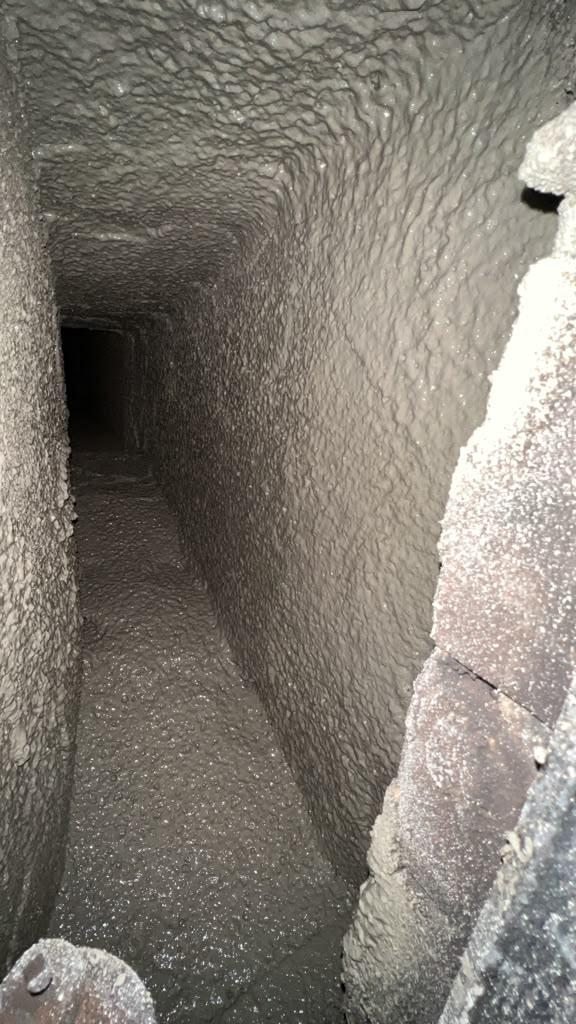
Smoke Chamber Repair
Above the firebox, the smoke chamber guides smoke into the flue, and a rough or cracked one is repaired the same way: with materials made for heat.
Smoke chamber repair →
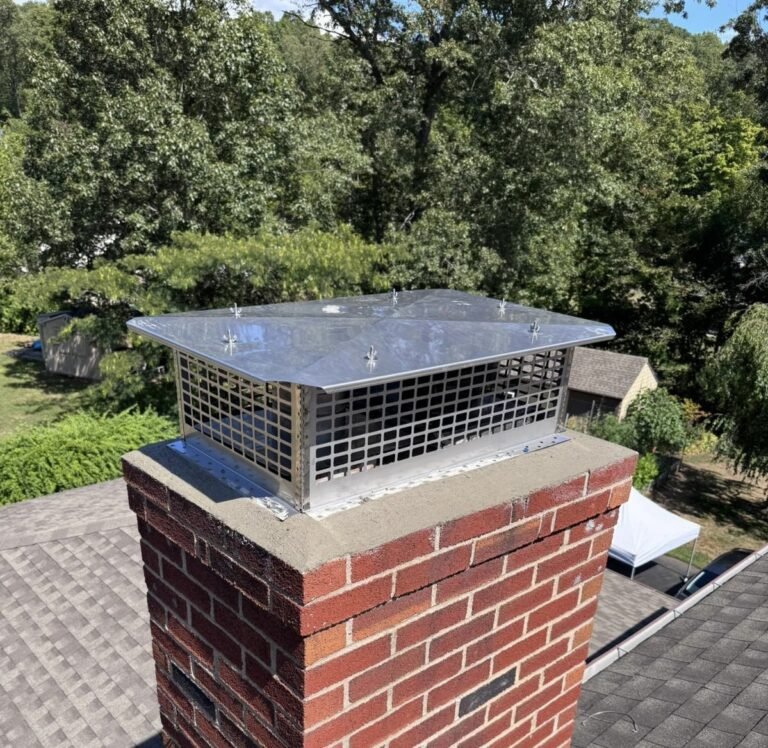
Caps & Dampers
A damper that won’t open fully or close tightly causes smoke and drafts at the same fireplace.
Caps & dampers →
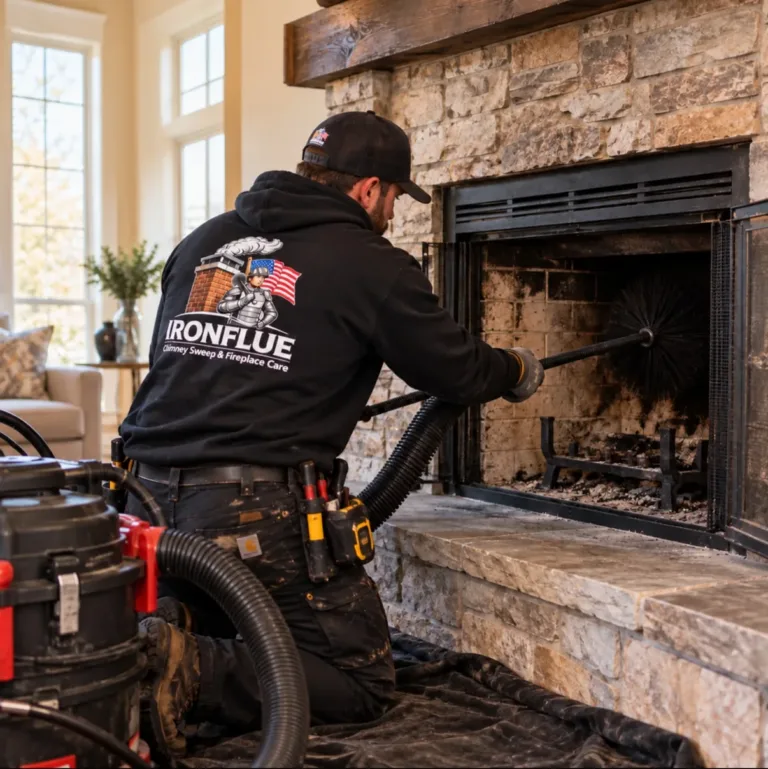
Chimney Sweep
Soot hides cracks, so a sweep often comes first, and the two can be booked on the same visit.
Explore sweeping →Request a fireplace repair visit
Sun–Thu 8am–8pm · Fri 8am–4pm · Sat closed
- 1We call you back to talk through what you’re seeing.
- 2Together we set a visit time that works for you.
- 3On site we look, photograph and explain before anything is quoted.
No obligation. We never share your details.