Serving homes & businesses across Connecticut
Sun–Thu 8am–8pm · Fri 8am–4pm
Chimney Sweep

Chimney Animal & Blockage Removal in Connecticut

Birds, squirrels and raccoons look for a sheltered spot, and an uncapped chimney is an open door. Nests, leaves and fallen debris can block the flue and send smoke or exhaust back into the house. We find what is in the chimney, clear it once it is safe to, and fit a cap so it can’t happen again.
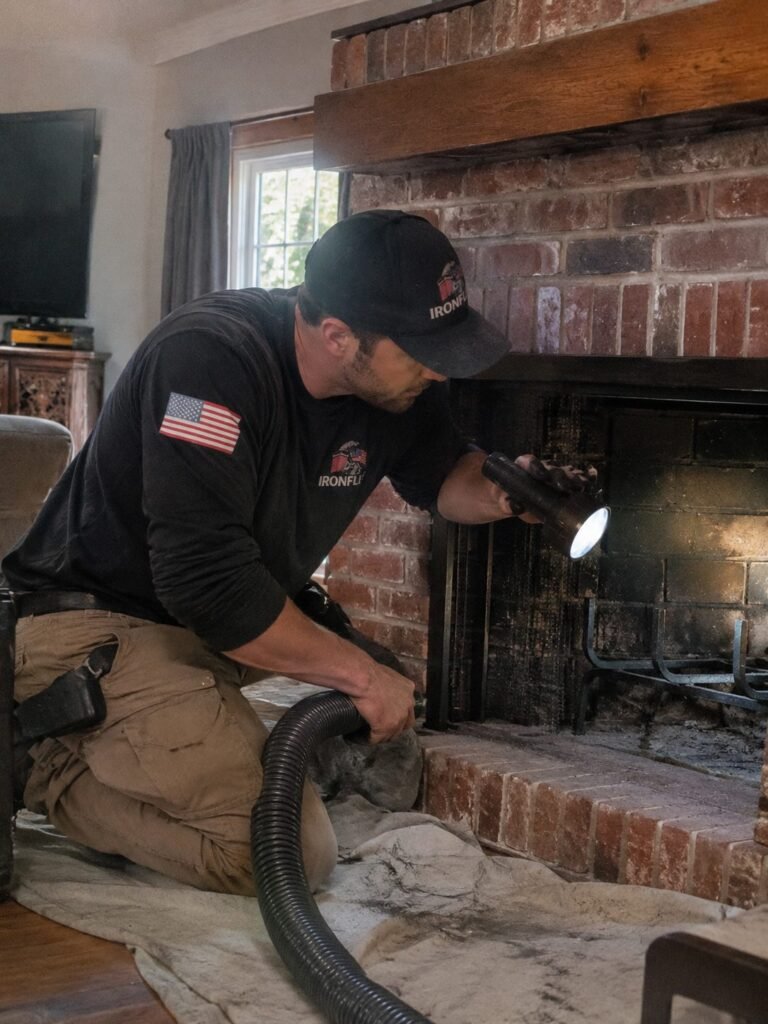
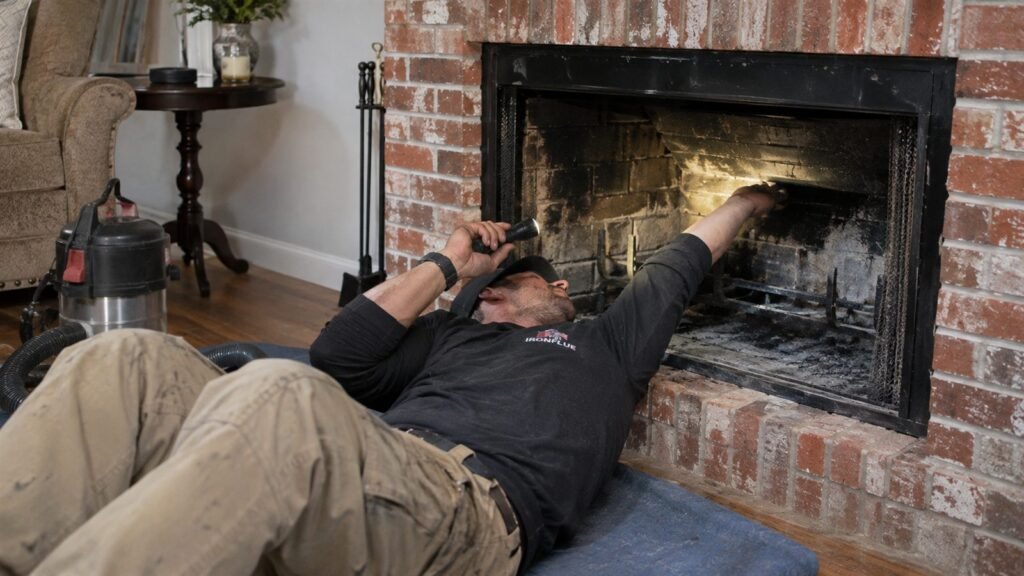
IronFlue Chimney technician lying on the hearth with a flashlight, reaching up into the throat of a brick fireplace
May suit you if
Scratching, chirping or flapping in the chimney, sticks or debris falling into the firebox, a smell from the fireplace, or smoke that suddenly won’t go up the flue.
The assessment establishes
What is in the flue, whether an animal is still inside or nesting, whether the blockage has damaged the chimney, and how it got in.
Next step
A clear flue and a written note with photos. A cap or any repair is quoted separately, so you decide.
The basics

How chimneys get blocked, and what can and can’t be moved

A chimney without a cap collects whatever falls or flies into it: leaves, twigs, nests, and sometimes animals that climb down and can’t climb out. In Connecticut, the usual visitors are birds, squirrels and raccoons, and raccoons often use chimneys to raise their young in spring. A blocked flue is more than a nuisance: smoke from the fireplace, or exhaust from a furnace or boiler that shares the chimney, can be pushed back into the house.

Some nests can’t be moved straight away. Chimney swifts, which nest in Connecticut chimneys in summer, are protected under the federal Migratory Bird Treaty Act, so an active nest has to stay until the birds leave in the fall. Live animals are removed safely and humanely, and where state rules require a licensed wildlife control operator, that is who handles the animal. Once the flue is clear, a cap closes it for good.

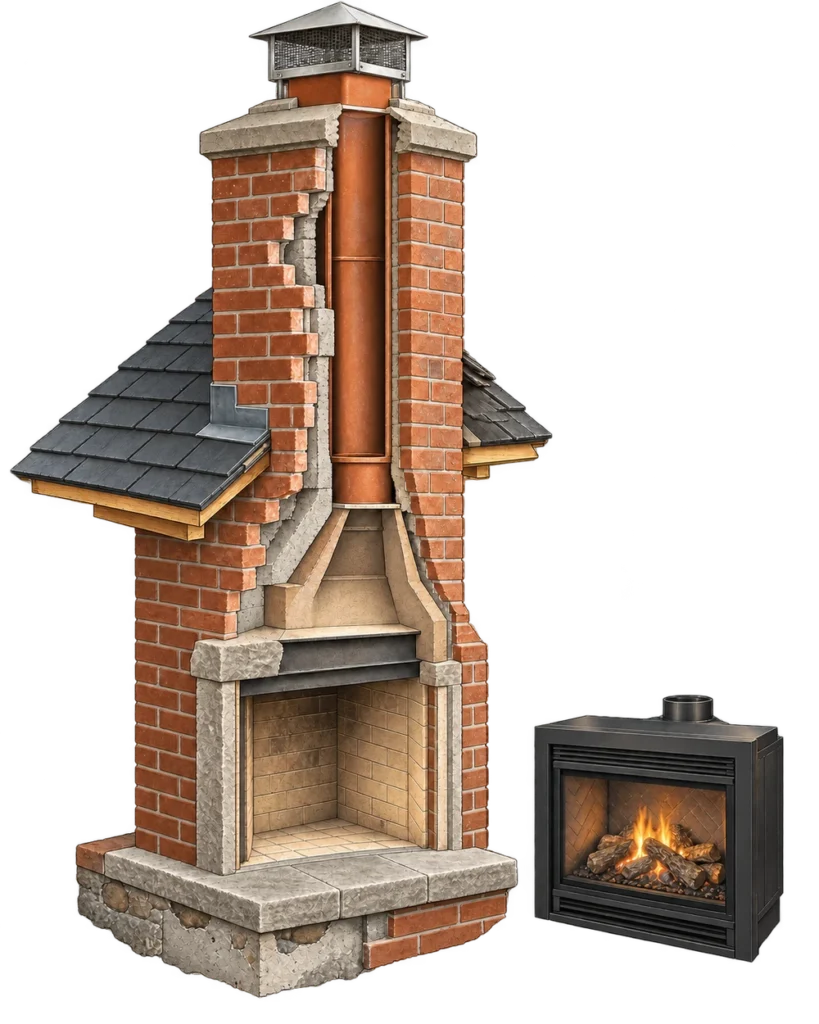
Cutaway illustration of a brick chimney showing its cap, crown, masonry, flue liner, smoke chamber and fireplace, with a separate gas fireplace insert alongsideA cap closes the top of the flue
Cutaway illustration of a chimney with its cap, crown and flue, not a completed IronFlue Chimney job.
Signs worth a look

Signs something is in your chimney

Any of these is a reason to keep the damper closed and call before you light a fire.
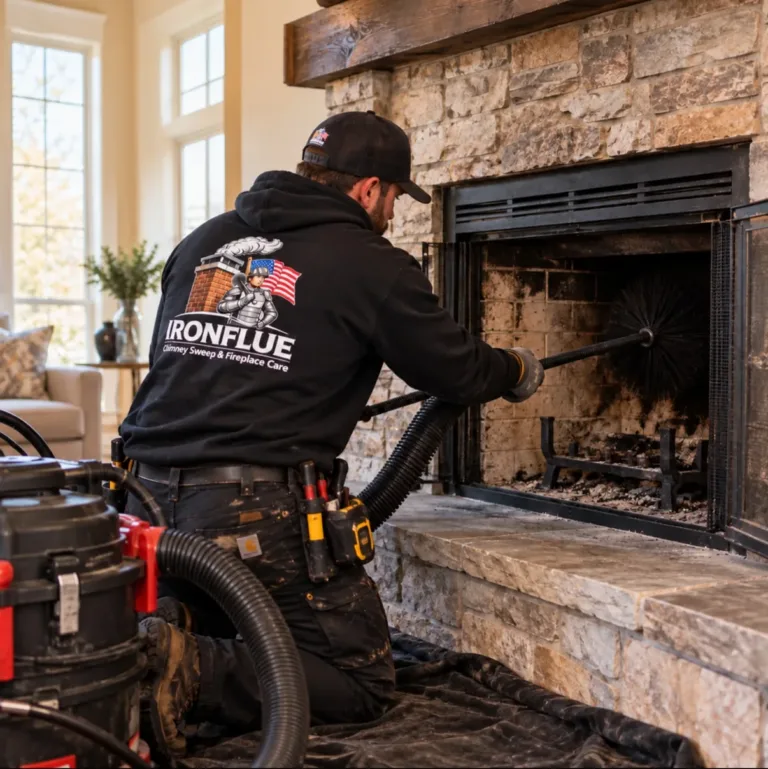
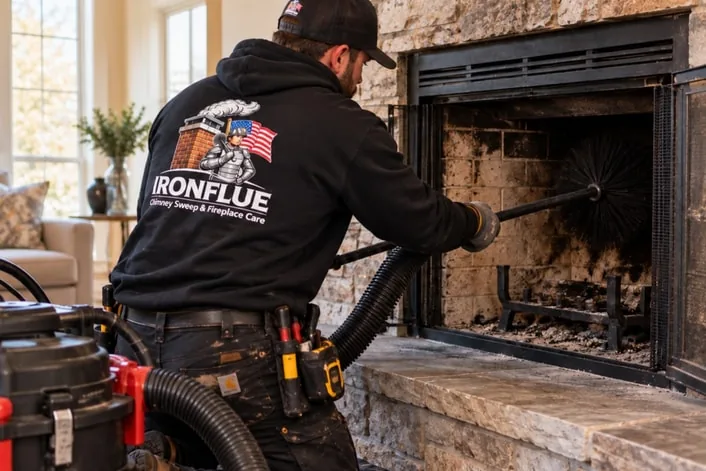
IronFlue Chimney technician kneeling at a brick fireplace with a work light and a vacuum hose
  1. Scratching, chirping or flapping

    Sounds from inside the chimney, often in spring and early summer, when birds and raccoons nest.

  2. Debris in the firebox

    Sticks, leaves, nesting material or droppings falling onto the hearth or the damper.

  3. A strong smell

    A musty, rotting or animal smell from the fireplace, which can mean a nest, droppings or a dead animal in the flue.

  4. Smoke that won’t go up

    Smoke spilling into the room when you light a fire, in a fireplace that used to draw well.

  5. No cap on the chimney

    A missing or damaged cap leaves the flue open to animals, leaves and rain.

Don’t light a fire to drive an animal out: it can trap the animal, start a fire in the nest, and fill the room with smoke. Keep the damper closed so the animal can’t get into the house, and call us.
What’s included

What animal and blockage removal covers

The written note lists what was found and cleared, so both columns are clear for your chimney.

Included

  • Finding what is in the flue, from the firebox and from the top, with photos
  • Clearing nests, leaves and debris from the flue, the smoke chamber and the damper
  • Cleaning up droppings and nesting material, with the room protected while we work
  • Checking the flue, the damper and any furnace or boiler flue for blockages
  • Measuring for a cap, so the flue can be closed once it is clear
  • A written note of what was found and cleared

Quoted separately

  • Handling live animals where state rules require a licensed wildlife control operator
  • Removing an active nest of a protected species, such as chimney swifts, before the birds leave
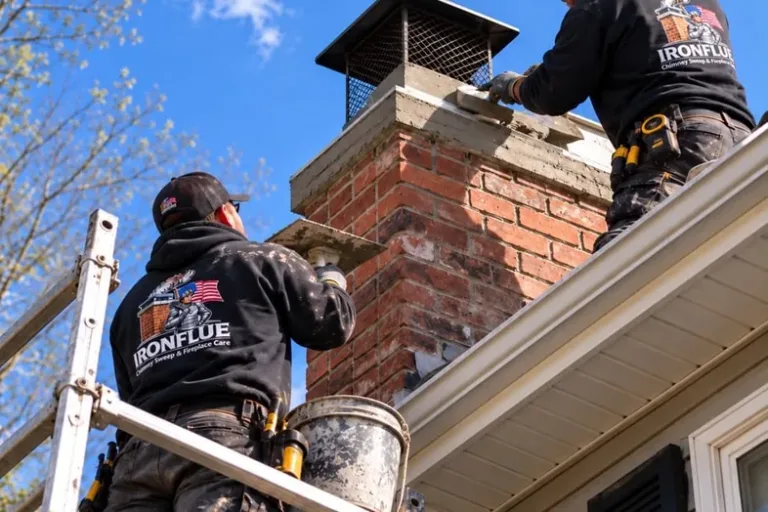
  • Supplying and fitting the cap, which is quoted separately
  • A full sweep, if the flue also needs one, and repairs to any damage the blockage caused
Options and process

How the visit goes

The first question is whether anything is still alive in the chimney, because that decides what can be done and when.
Before the visit
Keep the damper closed

Don’t light a fire, and keep the damper and any fireplace doors closed. Tell us what you’ve heard or seen, and when.

No fires
During the visit
Find it, then clear it

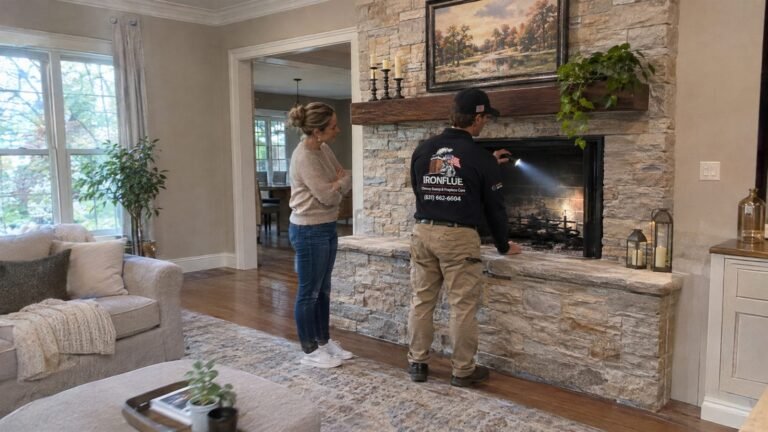
We look from the firebox and the top, deal with any animal safely, clear the nest and debris, and photograph what we find.

Photos
After the visit
Close the flue

You get a written note and a quote for a cap, and for any sweep or repair the blockage has made necessary.

Written quote

How the job is handled

  • Clear the debris

    Leaves, sticks and old nests with no animal inside are cleared from the flue, the smoke chamber and the damper on the visit.

  • Wait for protected birds

    An active chimney swift nest stays until the birds leave in the fall. The damper stays closed, and the flue is cleared and capped once they are gone.

  • Remove the animal, then cap

    A live animal is removed safely, by a licensed wildlife control operator where required. Then the flue is cleared and a cap is fitted.

Evidence

Real work, shown honestly

5.0
★★★★★

Average from 81 Google reviews

  • Licensed & insured
  • 15 years of hands-on work
  • National Chimney Sweep Guild member
Read all reviews on Google

Animal and blockage removal across Connecticut

We clear chimney nests, animals and blockages in Fairfield, New Haven, Hartford, Middlesex, New London, Litchfield, Tolland and Windham counties. Chimney swifts nest in Connecticut chimneys in summer and leave in the fall, so their nests are cleared once they have gone, with a cap fitted on the same visit.

See your service area for local details.

Cost

What sets the price

We don’t publish one price, because a few leaves and a raccoon family are very different jobs. These four things move the quote.

What is in the flue

Debris and old nests are cleared on the visit. A live animal may need a wildlife control operator and a second visit.

How much material

A large nest or a flue packed with debris takes more time to clear and clean up.

Height and roof access

Tall chimneys and steep roofs take more setup to reach the top of the flue.

The cap

A cap for a single flue is a small part. One that covers a multi-flue crown is made to measure.

How the quote works

The visit is priced before we come. The cap and any sweep or repair are quoted separately with photos, so you decide.

The price we quote is the price you pay.

Questions about a quote?
(959) 666-6406

Sun–Thu 8am–8pm · Fri 8am–4pm · Sat closed

Financing

Financing is available

Larger projects such as liners, rebuilds and major repairs can be financed. Ask when you request service and we’ll walk you through the options for your project.

Questions

About chimney animal and blockage removal

What people ask when something is in the chimney.

Sun–Thu 8am–8pm · Fri 8am–4pm · Sat closed

There’s an animal in my chimney. What should I do?

Keep the damper and any fireplace doors closed so it can’t get into the house, and don’t light a fire to drive it out. Note what you hear and when, and call us. Getting the animal out and closing the chimney so it can’t come back are separate steps, and we explain both.

Can you remove the birds nesting in my chimney?

It depends on the bird. Chimney swifts are protected under the federal Migratory Bird Treaty Act, so an active nest has to stay until they leave in the fall. After that, we clear the nest and fit a cap. Other nests and debris can usually be cleared on the visit.

Why shouldn’t I light a fire to get the animal out?

The animal may not be able to climb out, especially young ones, and the smoke can trap it in the flue. A nest can also catch fire, and a blocked flue sends smoke into the room.

Can a blocked chimney affect my furnace or boiler?

Yes, if it vents into the same chimney. A nest or debris in that flue can push exhaust, including carbon monoxide, back into the house. Make sure you have working carbon monoxide alarms, and have the flue cleared and capped.

How do I stop animals getting into my chimney?

A cap with a mesh screen on every flue, or one that covers the whole crown, keeps animals, leaves and rain out. It is the most reliable fix, and it is fitted once the flue is clear.

Is a chimney smell always an animal?

No. Creosote has a strong smell too, especially in humid weather, and damp masonry smells musty. A visit tells you which one it is, and whether the fix is a sweep, a cap or both.

Request service

Request animal or blockage removal

Tell us what you’ve heard, seen or smelled, and when it started. Mention whether a furnace or boiler shares the chimney, and whether there is a cap on top. Keep the damper closed until we get there.

Sun–Thu 8am–8pm · Fri 8am–4pm · Sat closed

After you send it
  1. 1We call you back to talk through what you’re seeing.
  2. 2Together we set a visit time that works for you.
  3. 3On site we look, photograph and explain before anything is quoted.

Sending a request doesn’t book an appointment. We’ll call you back to talk it through and confirm a time.

No obligation. We never share your details.